
Ceilings, Coffers, and Coves
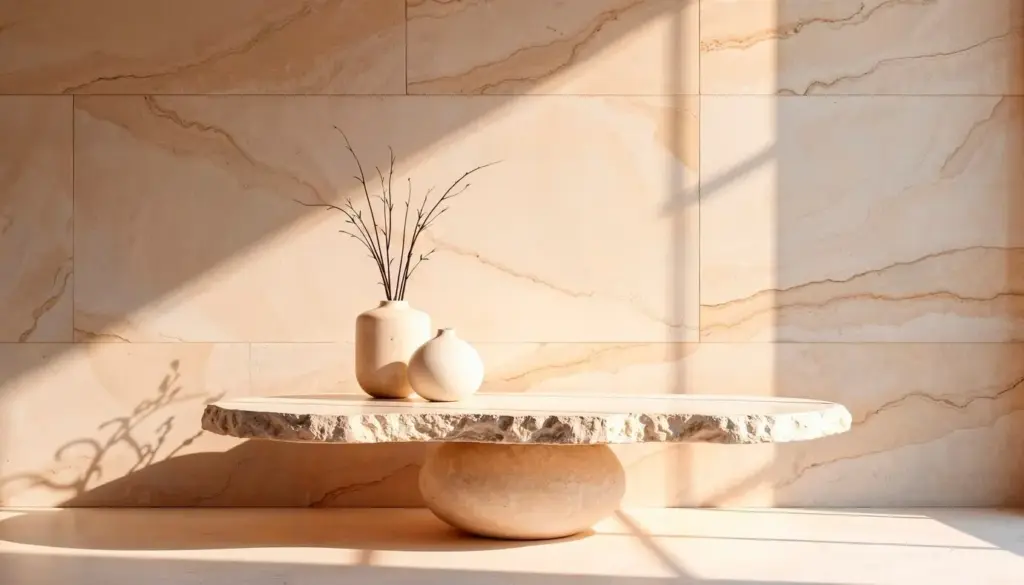
Ceilings are reflective canvases. Shallow coves, perimeter channels, and uplights reveal architecture while hiding glare. Consider ceiling color, height, and junction details; small gaps become halos. When executed cleanly, the ceiling glows like daylight, expanding space without aggressive brightness or visual noise.
Walls, Washes, and Grazes
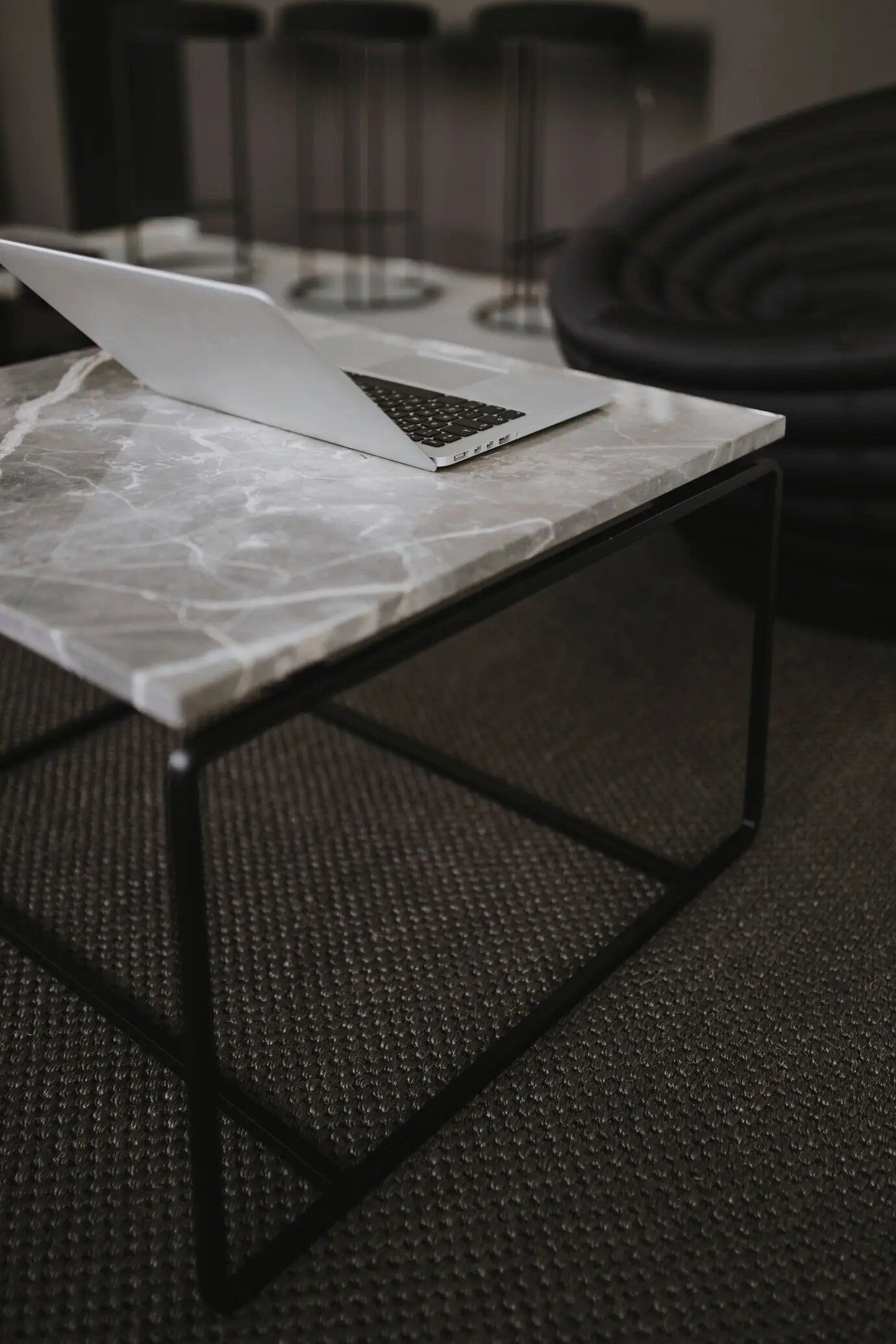
Wall washing evens tone for art and cabinetry; grazing celebrates texture, from linen weaves to ribbed stone. Test beam spread and distance to avoid scallops. A measured approach lengthens sightlines, lowers contrast, and invites the eye to move effortlessly through layered detail.
Metals, Fabrics, and Finishes
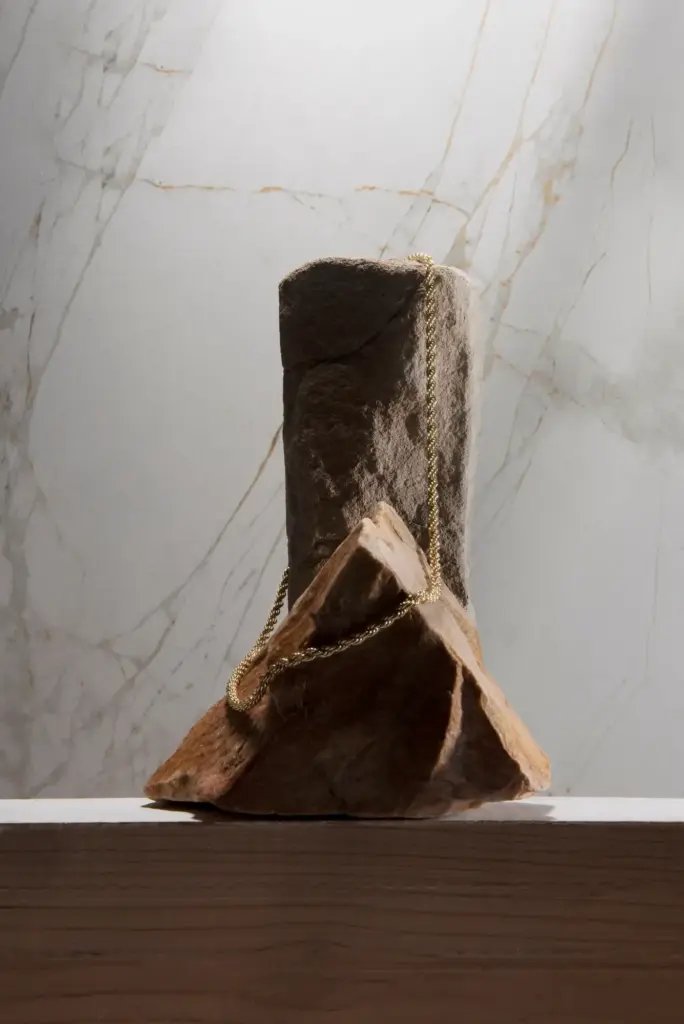
Warm metals amplify warm light; cool metals sharpen cooler tones. Open-weave fabrics diffuse glare without dulling brilliance. Coordinate shades, trims, and paint sheens so fixtures disappear visually, leaving an impression of atmosphere rather than equipment, elegance rather than gadgetry, and sanctuary rather than show.